Category: Vegetable Gardening

  • The Ultimate Guide on When to Grow Capsicum in Australia for Big, Healthy Harvests

    The Ultimate Guide on When to Grow Capsicum in Australia for Big, Healthy Harvests

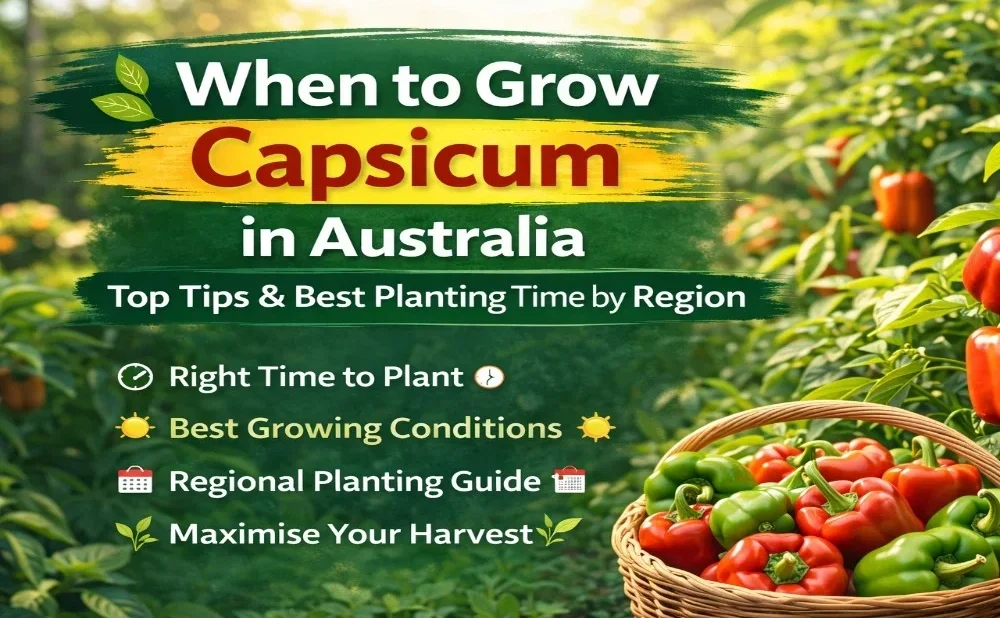
    If you want vibrant, sweet, and crunchy homegrown capsicums, knowing when to grow capsicum in Australia is the key to success. Timing makes all the difference in achieving strong plants, abundant fruit, and fewer pest problems. Whether you’re gardening in Perth, Victoria, Canberra, or Queensland, understanding the capsicum growing season Australia experiences across different climates will dramatically improve your results.

    Best time to grow: In this comprehensive capsicum growing guide for Australian gardeners, we’ll cover the best time to grow capsicum in Australia, ideal growing conditions, varieties, container growing, and organic methods to help you grow like a pro.

    When to Grow Capsicum in Australia (By Climate Zone)

    Understanding when to grow capsicum in Australia depends largely on your local climate. Capsicums thrive in warm weather and do not tolerate frost.

    Warm & Tropical Regions (QLD, Northern WA)

    The best time to grow capsicum in Australia’s tropical regions is late winter to early autumn. Because frost is rare, you can enjoy a long capsicum growing season that Australian gardeners in cooler areas don’t have.

    Temperate Regions (NSW, VIC, SA)

    In temperate zones, knowing when to grow capsicum in Australia becomes more specific. Start seeds indoors in late winter and transplant after the last frost in spring.

    When to Plant Capsicum in Victoria?

    Plant seedlings outdoors from October onwards once frost risk has passed.

    When to Plant Capsicum in Perth?

    In Perth’s Mediterranean climate, plant from September to November for the best results.

    Cooler Regions (ACT, Tasmania)

    If you’re looking to grow capsicum, Canberra gardeners often ask about timing. Wait until mid to late spring when soil temperatures are consistently warm.

    Capsicum typically takes 60 to 90 days to mature after transplanting, depending on the variety.

    Capsicum Growing Australia: Best Growing Conditions

    If you want to succeed in growing capsicum in Australia, you must also provide it with the best growing conditions.

    Ideal Conditions

    • Full sun (6–8 hours daily)
    • Well-drained, fertile soil
    • Consistent watering
    • Warm temperatures (18–30°C)

    Capsicum growing tips in Australia always emphasise warmth. Capsicums are sensitive to cold and stop growing in low temperatures.

    Can You Grow Capsicums in a Pot?

    Yes, many gardeners ask: can you grow capsicums in a pot? Absolutely.

    Capsicum grown in containers in Australia is ideal for small gardens and balconies.

    Container Growing Tips

    • Use pots at least 30cm deep
    • Choose a premium vegetable potting mix
    • Ensure good drainage
    • Place in full sun

    Easy capsicum growing in Australia is possible even in limited space when timing and care are correct.

    Capsicum Growing Guide Australia: Step-by-Step

    1️⃣ Start with Quality Seeds

    When to plant capsicum seeds in Australia depends on the climate. Sow seeds indoors 6–8 weeks before your last frost date.

    2️⃣ Transplant After Frost

    Knowing when to grow capsicum in Australia outdoors is crucial—wait until temperatures stay above 15°C at night.

    3️⃣ Feed Regularly

    Capsicums are heavy feeders. Apply organic fertiliser every 2–3 weeks.

    4️⃣ Support the Plant

    As fruit develops, plants may need staking.

    Following this capsicum growing guide ensures strong, productive plants.

    Which Capsicum Is Best to Grow?

    Many gardeners ask which capsicum is best. It depends on your climate and taste preferences.

    Popular Australian Capsicum Varieties

    • California Wonder
    • Red Bell
    • Yellow Bell
    • Sweet Banana
    • Mini snack capsicums

    Best Capsicum Variety to Grow

    For beginners, California Wonder is reliable and productive.

    Which Capsicum is best, male or Female?

    This is a gardening myth. There is no male or female capsicum fruit; shape does not affect sweetness.

    Capsicum varieties available in Australia are diverse, so experiment with different colours and sizes.

    Capsicum Organic Farming & Sustainable Growing

    Organic farming of capsicum is growing in popularity among capsicum growers Australia-wide.

    To grow organic capsicum:

    • Use compost-rich soil
    • Apply organic fertilisers
    • Encourage beneficial insects
    • Avoid synthetic pesticides

    Organic capsicum often tastes better and supports healthier soil ecosystems.

    How Many Capsicums from One Plant?

    Gardeners often ask: how many capsicums from one plant can you expect?

    Under ideal capsicum growing conditions, one healthy plant can produce 6–12 fruits, sometimes more.

    Yield depends heavily on:

    • When to grow capsicum in Australia
    • Fertilising routine
    • Sun exposure
    • Variety selection

    Capsicum Growing Season Australia Overview

    The capsicum growing season in Australia typically runs:

    • Spring to early autumn in temperate regions
    • Nearly year-round in tropical climates

    Capsicum grow time varies, but most varieties are ready within 70–90 days after transplanting.

    When to Pick Capsicums Australia

    When to pick capsicums, Australian gardeners should know, it depends on colour.

    • Green capsicums can be harvested early
    • Red, yellow, and orange require longer ripening

    Harvest when the fruit is firm and glossy.

    Capsicum Grow Well With Which Vegetable?

    Companion planting improves growth. Capsicums grow well with:

    • Basil
    • Tomatoes
    • Onions
    • Carrots

    Avoid planting near fennel.

    Final Thoughts: Mastering When to Grow Capsicum in Australia

    Understanding when to grow capsicum in Australia is the single most important factor in producing healthy, high-yield plants. By planting after frost, ensuring warm soil, and providing full sun, you’ll maximise your capsicum growing success.

    Whether you’re trying to grow capsicum in Australia in pots, raised beds, or backyard gardens, timing and proper care are essential. Start with the best time to grow capsicum in Australia for your region, choose strong varieties, and enjoy delicious homegrown capsicum all season long.

    Frequently Asked Questions

    Are Capsicums Easy to Grow?

    Yes, if you understand when to grow capsicum in Australia and provide warmth and sun.

    Can Capsicum Grow in Winter?

    In colder regions, no. In tropical areas, winter growth is possible.

    When to Plant Capsicum Seeds in Australia?

    Late winter indoors, transplant in spring.

    How Many Types of Capsicum Are There?

    There are many varieties, including bell, sweet, long, and mini capsicums. Australian Capsicum Varieties include California Wonder, Red Bell, and Sweet Banana.
  • The Ultimate Vegetable Planting Calendar Australia: Grow Abundant Harvests All Year

    The Ultimate Vegetable Planting Calendar Australia: Grow Abundant Harvests All Year

    If you want thriving crops and consistent harvests, following a vegetable planting calendar Australia gardeners rely on is the smartest move you can make. Australia’s diverse climate zones mean timing is everything. Plant too early or too late, and your vegetables may struggle.

    This powerful, practical guide will walk you through a complete vegetable planting calendar for Australia, helping you understand exactly when to plant, what grows best each season, and how to maximise success in your home garden.

    Whether you’re a beginner or experienced grower, this seasonal roadmap will transform your results.

    Why You Need a Vegetable Planting Calendar Australia Gardeners Trust

    Australia spans tropical, subtropical, temperate and cool regions. That’s why a general planting chart isn’t enough. A proper vegetable planting calendar, an Australia-specific guide, helps you:

    • Avoid frost damage
    • Prevent heat stress
    • Improve germination rates
    • Increase yield and crop quality
    • Plan year-round harvests

    Using a reliable vegetable-growing calendar for Australia ensures you plant at the right time for your region.

    Understanding Australia’s Growing Seasons

    Before diving into the full vegetable planting calendar for Australia, it’s important to understand seasonal differences.

    Summer (December – February)

    Best for heat-loving crops:

    • Tomatoes
    • Capsicum
    • Eggplant
    • Cucumbers
    • Zucchini

    These thrive in warm soil and long daylight hours.

    Autumn (March – May)

    Perfect for cool-season planting:

    • Broccoli
    • Spinach
    • Lettuce
    • Silverbeet
    • Carrots

    Autumn is ideal for succession planting using your seasonal planting guide for Australia.

    Winter (June – August)

    Great for frost-tolerant vegetables:

    • Garlic
    • Onions
    • Peas
    • Kale

    In warmer regions of Australia, winter remains productive when following a vegetable garden planting guide.

    Spring (September – November)

    One of the most exciting planting seasons:

    • Beans
    • Corn
    • Pumpkins
    • Tomatoes

    Spring marks the restart of warm-season planting in the vegetable planting calendar Australia cycle.

    Vegetable Planting Calendar Australia By Month

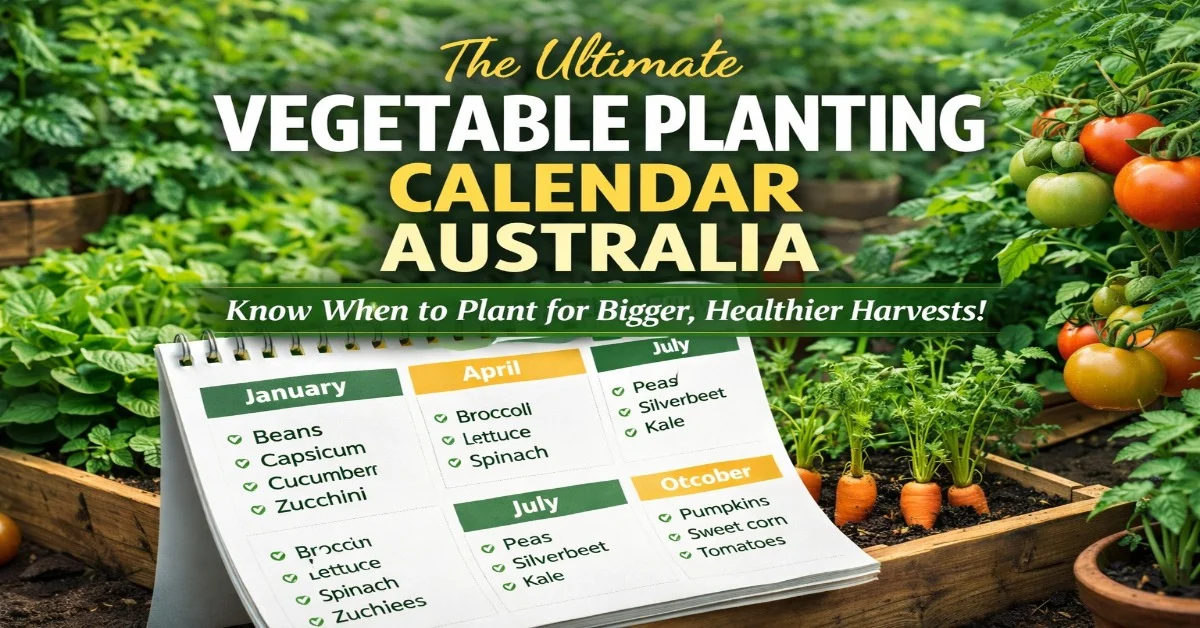
    Here’s a simplified calendar for when to plant vegetables to guide you:

    January
    Plant beans, cucumbers, zucchini, and sweet corn.

    February
    Plant capsicum, tomatoes (early), and lettuce.

    March
    Plant carrots, broccoli, spinach.

    April
    Plant peas, onions, and silverbeet.

    May
    Plant garlic, cabbage, and
    kale.

    June
    Plant broad beans and onions.

    July
    Plant peas, lettuce, spinach.

    August
    Start tomatoes (warmer regions), beans.

    September
    Plant zucchini, corn, and
    cucumber.

    October
    Plant pumpkins, tomatoes, and capsicum.

    November
    Plant sweet corn and beans.

    December
    Plant cucumbers, eggplant, and
    zucchini.

    This month-by-month vegetable planting calendar for Australia keeps your garden productive year-round.

    Regional Planting Differences Across Australia

    Because climates vary, region-specific guides matter.

    Vegetable Planting Guide South Australia

    South Australia has a temperate climate. Summers are hot, winters mild. Follow your vegetable planting guide for South Australia carefully to avoid summer heat stress and winter frost damage.

    Best strategy:

    • Spring for tomatoes and corn
    • Autumn for leafy greens
    • Winter for peas and garlic

    Vegetable Planting Guide Western Australia

    Western Australia has Mediterranean and tropical zones. A tailored vegetable planting guide for Western Australia ensures success.

    Perth region:

    • Autumn is excellent for brassicas
    • Spring is ideal for tomatoes and beans

    Northern WA:

    • Dry season planting differs significantly from the southern regions

    Using a location-specific vegetable planting calendar in Australia dramatically improves success.

    Free Planting Calendar Australia – Why It Helps

    Many gardeners search for a free planting calendar Australia download to simplify planning. A printable seasonal vegetable chart allows you to:

    • Track planting dates
    • Plan crop rotation
    • Avoid overplanting
    • Improve soil health

    A well-designed seasonal vegetable chart in Australia becomes your yearly blueprint.

    Seasonal Vegetable Planting Guide Australia for Beginners

    If you’re new to gardening, follow this simplified seasonal vegetable planting guide Australia approach:

    Start small
    Choose 5–6 easy vegetables.

    Follow climate zone timing
    Use your local vegetable growing calendar for Australia.

    Improve soil
    Healthy soil improves everything.

    Rotate crops
    Avoid planting the same family in the same spot each season.

    Beginner-friendly crops include:

    • Lettuce
    • Spinach
    • Beans
    • Zucchini
    • Tomatoes

    Following a structured vegetable planting calendar, Australia removes guesswork and builds confidence.

    Vegetable Compatibility Planting Guide for Better Yields

    A vegetable compatibility planting guide (also called companion planting) helps plants support each other.

    Examples:

    Tomatoes + Basil
    Improves growth and repels pests.

    Carrots + Onions
    Helps deter carrot flies.

    Corn + Beans + Pumpkin
    Classic “Three Sisters” combination.

    Companion planting enhances the results of your vegetable planting calendar Australia by improving natural pest control and productivity.

    How to Start Planting Vegetables at Home

    If you’re wondering how to start planting vegetables at home, follow these steps:

    Choose a sunny location (6–8 hours of sunlight).
    Prepare nutrient-rich soil.
    Follow your regional vegetable planting calendar for Australia.
    Water consistently, but avoid overwatering.
    Start with seasonal crops.

    Planning is the foundation of a productive vegetable garden.

    What Vegetables Are in Season Now in Australia?

    Seasonality depends on region, but generally:

    Summer
    Tomatoes, capsicum, zucchini, and cucumbers.

    Autumn
    Broccoli, carrots, spinach.

    Winter
    Garlic, peas, cabbage.

    Spring
    Beans, corn, pumpkins.

    Using a reliable seasonal planting guide, Australia ensures you grow vegetables at their peak performance.

    What Is the Best Time to Start Planting Vegetables?

    The best time depends on your climate zone. However:

    • Spring is ideal for warm-season crops.
    • Autumn is excellent for cool-season crops.

    A complete vegetable planting calendar for Australia ensures you never miss the optimal planting window.

    What Month Is Best for Planting Vegetables?

    There is no single best month. Instead, follow a rotating system based on seasons:

    • September–November for summer crops
    • March–May for winter crops

    This is why using a vegetable planting calendar in Australia is essential rather than relying on guesswork.

    When to Plant Vegetables Australia Wide

    If you search for when to plant vegetables in Australia, the answer always depends on:

    • Frost dates
    • Soil temperature
    • Rainfall patterns
    • Climate zone

    A structured vegetable garden planting guide tailored to your region in Australia eliminates uncertainty.

    Final Thoughts: Plan Smart, Grow Abundantly

    Following a trusted vegetable planting calendar is key to thriving gardens and continuous harvests. Whether you’re using a printable calendar for a vegetable planting chart, downloading a free planting calendar Australia, or referencing a detailed vegetable growing calendar Australia, proper timing transforms your gardening success.

    With the right seasonal strategy, companion planting techniques, and climate awareness, your garden can produce vibrant, healthy crops year-round.

    Start planning today using your personalised vegetable planting calendar Australia, and enjoy stronger plants, bigger harvests, and total confidence in every planting season.

  • The Ultimate Beginners’ Guide to Vegetable Gardening in Australia: Grow Fresh and Healthy Produce at Home

    The Ultimate Beginners’ Guide to Vegetable Gardening in Australia: Grow Fresh and Healthy Produce at Home

    Vegetable gardening in Australia is one of the most rewarding and cost-effective ways to enjoy fresh, healthy produce straight from your backyard or balcony. Whether you’re working with a spacious yard, raised beds, or a compact balcony, growing your own vegetables is easier than you think.

    This comprehensive guide covers everything from setting up a vegetable garden in Australia to choosing the best vegetables to grow in Australia’s unique climate zones. If you’re looking for a beginner’s guide to vegetable gardening, you’re in the right place.

    Why Vegetable Gardening in Australia Is So Popular

    The rising cost of groceries and growing interest in sustainable living have made vegetable gardening in Australia more popular than ever.

    Benefits include:

    • Saving money on cheap vegetables Australia-wide
    • Access to organic, chemical-free produce
    • Better taste and freshness
    • A relaxing, healthy hobby
    • Reduced environmental impact

    Whether you’re starting a home vegetable garden Australia style or trying balcony gardening Australia, success starts with planning.

    A Beginner’s Guide to Vegetable Gardening in Australia

    If you’re new to this, think of this as the beginner’s guide to growing great vegetables in Australian conditions.

    Step 1 – Choose the Right Location

    Vegetables need:

    • 6–8 hours of direct sunlight
    • Good drainage
    • Protection from strong winds

    For apartment dwellers, growing vegetables in pots, Australia-style, works beautifully on sunny balconies.

    Step 2 – Pick the Best Soil for a Vegetable Garden in Australia

    Soil quality determines success.

    The best soil for a vegetable garden in Australia’s conditions is:

    • Rich in organic matter
    • Well-draining
    • Slightly acidic to neutral (pH 6–7)

    For raised beds, use premium blended soil. The best soil for a vegetable garden in a raised bed in Australia typically includes compost, aged manure, and loamy soil.

    Tip: Add compost regularly to improve soil health.

    Step 3 – Decide What to Grow

    Choosing the right crops is critical in vegetable gardening in Australia because climates vary across the country.

    Easiest Vegetables to Grow in Australia

    For beginners, start with:

    • Lettuce
    • Spinach
    • Tomatoes
    • Zucchini
    • Beans
    • Radishes

    These are considered the easiest vegetables to grow in Australia and among the easiest and quickest to grow.

    If you’re short on space, try:

    • Herbs
    • Cherry tomatoes
    • Capsicum
    • Spring onions

    These are perfect for vegetables in pots Australia homes.

    Seasonal Guide to Vegetable Growing in Australia

    Understanding seasons is essential for successful vegetable growing in Australia.

    What Vegetables Grow in Spring in Australia?

    • Carrots
    • Lettuce
    • Beetroot
    • Beans
    • Cucumbers

    What Vegetables Grow in Summer in Australia?

    • Tomatoes
    • Zucchini
    • Capsicum
    • Eggplant
    • Sweet corn

    These are among the best vegetables to grow in summer in Australia.

    Fast-Growing Autumn Vegetables

    • Spinach
    • Rocket
    • Silverbeet
    • Radish

    These are excellent, fast-growing autumn vegetables and ideal for beginner gardeners.

    Growing Vegetables in Pots Australia – Perfect for Small Spaces

    You don’t need a backyard to grow vegetables successfully in Australia.

    Can You Grow Vegetables in Pots?

    Yes. Many vegetables thrive in containers.

    Great choices for growing vegetables in pots in Australia include:

    • Tomatoes
    • Chillies
    • Herbs
    • Lettuce
    • Dwarf beans

    If you’re searching for a beginner’s guide to growing vegetables in pots, follow these basics:

    How to Garden in Pots

    1. Choose pots with drainage holes.
    2. Use high-quality potting mix.
    3. Water consistently.
    4. Fertilise every 2–3 weeks.

    Container gardening is a major part of balcony gardening in Australia and works surprisingly well.

    Growing Vegetables from Seed Australia – Is It Worth It?

    Growing vegetables from seed is often cheaper and more satisfying for Australian gardeners than buying seedlings.

    Benefits include:

    • Wider variety selection
    • Lower cost
    • Better root development

    For beginners:

    • Start seeds in trays
    • Keep soil moist
    • Provide warmth and sunlight

    This method is ideal for those following a beginner’s guide to planting a vegetable garden.

    Cheap Vegetable Garden Ideas for Beginners

    Starting vegetable gardening in Australia doesn’t have to be expensive.

    Here are some cheap vegetable garden ideas:

    • Use recycled containers
    • Create DIY raised beds
    • Start composting
    • Swap seeds with neighbours
    • Grow fast-growing vegetables, Australia-friendly varieties

    Homegrown produce reduces spending on cheap vegetables sold by Australian supermarkets at rising prices.

    Setting Up a Vegetable Garden Australia – Step-by-Step Plan

    If you’re wondering how to start a vegetable garden for beginners, here’s your action plan:

    Step 1: Plan Your Layout

    Decide between ground beds, raised beds, pots, or a vertical garden.

    Step 2: Prepare Soil

    Test and improve soil using compost.

    Step 3: Choose Easy Crops

    Select easy vegetables to grow in Australia for your first season.

    Step 4: Water Smartly

    Early morning watering works best.

    Step 5: Maintain Regularly

    Remove weeds and harvest often.

    Following these steps makes vegetable gardening in Australia simple and enjoyable.

    Final Thoughts: Start Your Vegetable Gardening Journey Today

    There has never been a better time to begin vegetable gardening in Australia. Whether you’re following a beginner’s guide to vegetable gardening, trying balcony gardening in Australia, or creating a full backyard setup, growing your own food is empowering and practical.

    By choosing the right soil, planting seasonally, and starting with the easiest vegetables to grow in Australia, you’ll enjoy fresh harvests in no time.

    From pots to raised beds, from seeds to harvest, vegetable gardening in Australia is a sustainable and rewarding lifestyle choice that pays off every season.

    Frequently Asked Questions

    How big a vegetable garden do I need?

    You can start with as little as 1–2 square metres. Even small spaces can support a productive home vegetable garden, Australia style.

    How much garden soil do I need?

    For raised beds, 1 cubic metre fills about 1 square metre at a depth of 30cm. For pots, match soil volume to container size.

    How to grow vegetables in a garden successfully?

    Choose seasonal crops, use quality soil, water regularly, provide sunlight, and feed monthly. These basics ensure success in vegetable gardening in Australia.

    What are fast-growing vegetables?

    Radish, lettuce, spinach, and rocket are excellent fast-growing vegetables that Australian gardeners love.

    How to plant the vegetables properly?

    Loosen soil, follow the seed packet spacing, water immediately after planting, and mulch to retain moisture.