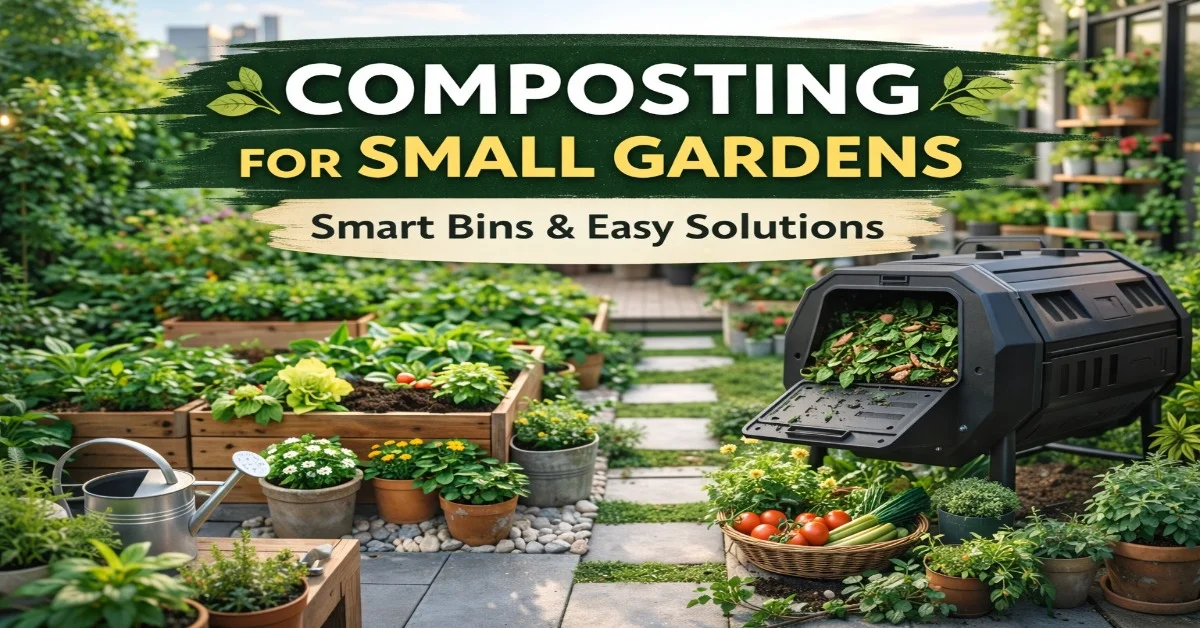
If you think composting requires a large backyard, think again. Composting for small gardens is not only possible—it’s one of the smartest and most rewarding ways to improve soil health, reduce waste, and grow thriving plants in limited space. Whether you have a compact courtyard, tiny backyard, or even a balcony setup, there are practical compost solutions designed specifically for small areas.
In this complete guide, we’ll explore how composting for small gardens works, the best compost bin for small backyard spaces, and how to make composting simple—even if you live in an apartment.
Why Composting for Small Gardens Is a Game-Changer
Many gardeners underestimate the power of compost. But composting for small gardens can dramatically improve soil structure, moisture retention, and nutrient levels—even in the smallest plots.
Does Composting Make a Difference?
Yes, it absolutely does. Composting:
- Enriches soil with natural nutrients
- Improves drainage in compact soil
- Encourages beneficial microbes
- Reduces landfill waste
- Boosts vegetable yields
When you start composting in small gardens, you create a self-sustaining cycle that feeds your plants naturally.
Best Compost Solutions for Small Gardens
Not all compost systems require large bins or open piles. There are excellent compost solutions for small gardens that are compact, tidy, and efficient.
Compost Bin for Small Backyard Spaces
Choosing the right compost bin for small backyard areas makes composting easy and manageable.
Popular Options Include:
- Compact tumbling composters
- Slim vertical compost bins
- Enclosed plastic compost bins
- Stackable compost systems
These compost bins for small gardens are designed to fit tight spaces while still producing rich compost for veggie gardens.
If you’re serious about composting for a small garden, a compact tumbler is often the easiest beginner-friendly option.
Composting in Small Gardens: Step-by-Step Guide
Starting composting for small gardens is simpler than most people think.
1️⃣ Choose the Right Location
Pick a well-drained, partially shaded area.
2️⃣ Layer Greens and Browns
- Greens: fruit scraps, veggie scraps, coffee grounds
- Browns: dried leaves, cardboard, paper
3️⃣ Keep It Aerated
Turn compost weekly if using a bin.
4️⃣ Maintain Moisture
Compost should feel like a damp sponge.
By following these steps, composting in small gardens becomes easy and efficient.
Composting in Apartments & Small Spaces
Don’t have a yard? Composting in apartments is completely possible.
How to Compost in a Small Apartment
If you’re wondering how to compost in a small space, here are two excellent options:
Worm Farms (Vermicomposting)
Compact and odour-free when maintained properly.
Bokashi Composting
An airtight bucket system is perfect for kitchens.
These methods make composting for small gardens accessible even without outdoor space.
What to Compost (And What to Avoid)
When composting for small gardens, balance is key.
✅ Add:
- Fruit & vegetable scraps
- Eggshells
- Coffee grounds
- Shredded cardboard
- Dry leaves
❌ Avoid:
- Meat & dairy
- Oily foods
- Large branches
- Diseased plants
How Small Should Cardboard Be for Composting?
Cardboard should be shredded into small pieces (around 2–5 cm wide). Smaller pieces break down faster and improve airflow, which is crucial when composting in small gardens.
Compost for Veggie Gardens: Why It Matters
If you grow vegetables, compost is your secret weapon.
Compost for veggie gardens improves:
- Root development
- Water retention
- Nutrient availability
- Soil aeration
Adding composting to your small-garden routine ensures consistent harvests, even in compact raised beds.
How Often to Add Compost to a Garden
For best results:
- Add compost at the start of each growing season
- Top-dress vegetable beds every 6–8 weeks
- Mix compost into the soil before planting
Regular compost application keeps small gardens productive year-round.
Composting for a Small Garden: Common Mistakes
When starting composting for small gardens, avoid these mistakes:
- Adding too many food scraps without browns
- Letting compost dry out
- Not turning compost regularly
- Using large chunks of cardboard
Maintaining balance ensures your compost bin for small backyard systems works efficiently.
What Can I Use Instead of Compost in My Garden?
If compost isn’t available, alternatives include:
- Aged manure
- Organic soil conditioners
- Leaf mould
- Worm castings
However, nothing fully replaces the benefits of composting for small gardens because it’s nutrient-rich and sustainable.
Will Plants Grow in Compost Only?
Plants can temporarily grow in compost alone, but it’s best mixed with garden soil. Pure compost may retain too much Moisture or lack structural stability.
For best results, mix compost into soil at 30–50% when composting for small gardens.
Space-Saving Compost Systems for Modern Gardens
Today’s compost bins for small gardens are designed for convenience.
Innovative Compost Solutions for Small Gardens:
- Slimline vertical bins
- Rotating compost tumblers
- Under-sink compost systems
- Compact outdoor compost cubes
These systems make composting for small gardens simple, tidy, and effective.
Why Composting for Small Gardens Supports Sustainability
Composting reduces landfill waste and methane emissions. In Australia, food waste is a significant environmental issue. By composting for small gardens, you actively reduce your carbon footprint while improving your soil naturally.
Even composting in small gardens contributes to a larger environmental impact.
Final Thoughts: Small Garden, Big Impact
You don’t need a large backyard to make a powerful environmental and gardening difference. Composting for small gardens is one of the most effective, sustainable, and rewarding gardening habits you can develop.
Whether you use a compost bin in a small backyard, compost in an apartment, or invest in compact compost bins for small gardens, the result is the same—healthier soil and stronger plants.
Start small. Stay consistent. Let nature do the rest.
Leave a Reply